Summary:
• Granule loss, curling shingles, sagging decking, and recurring leaks are the clearest indicators that patch repairs will no longer hold.
• Roof age combined with storm exposure in Lima, OH often shortens the realistic lifespan of asphalt shingles well below warranty claims.
• A full roof replacement addresses structural and water-intrusion risks that repeated repairs cannot fully resolve.
A roof typically needs full replacement, rather than another round of spot repairs, once shingles show widespread granule loss, the decking has soft spots, or leaks keep returning after fixes. Homeowners in Lima, OH who notice these patterns together are usually looking at a system-wide issue rather than an isolated fix.
Age alone does not tell the whole story. A roof replacement becomes the more practical option when multiple warning signs appear at once, since patch repairs on an aging roof often mask deeper decking or underlayment damage that resurfaces within a year or two.
Visible Shingle and Structural Warning Signs
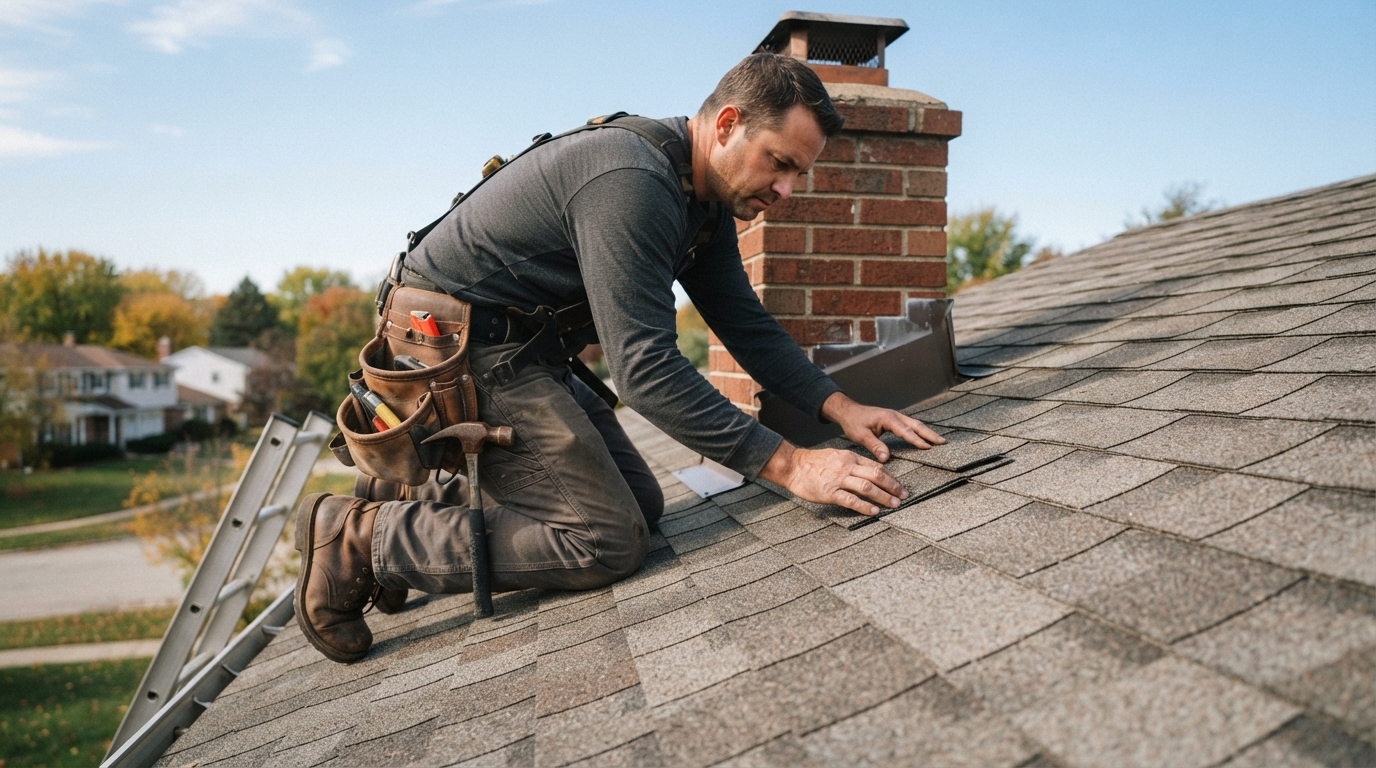
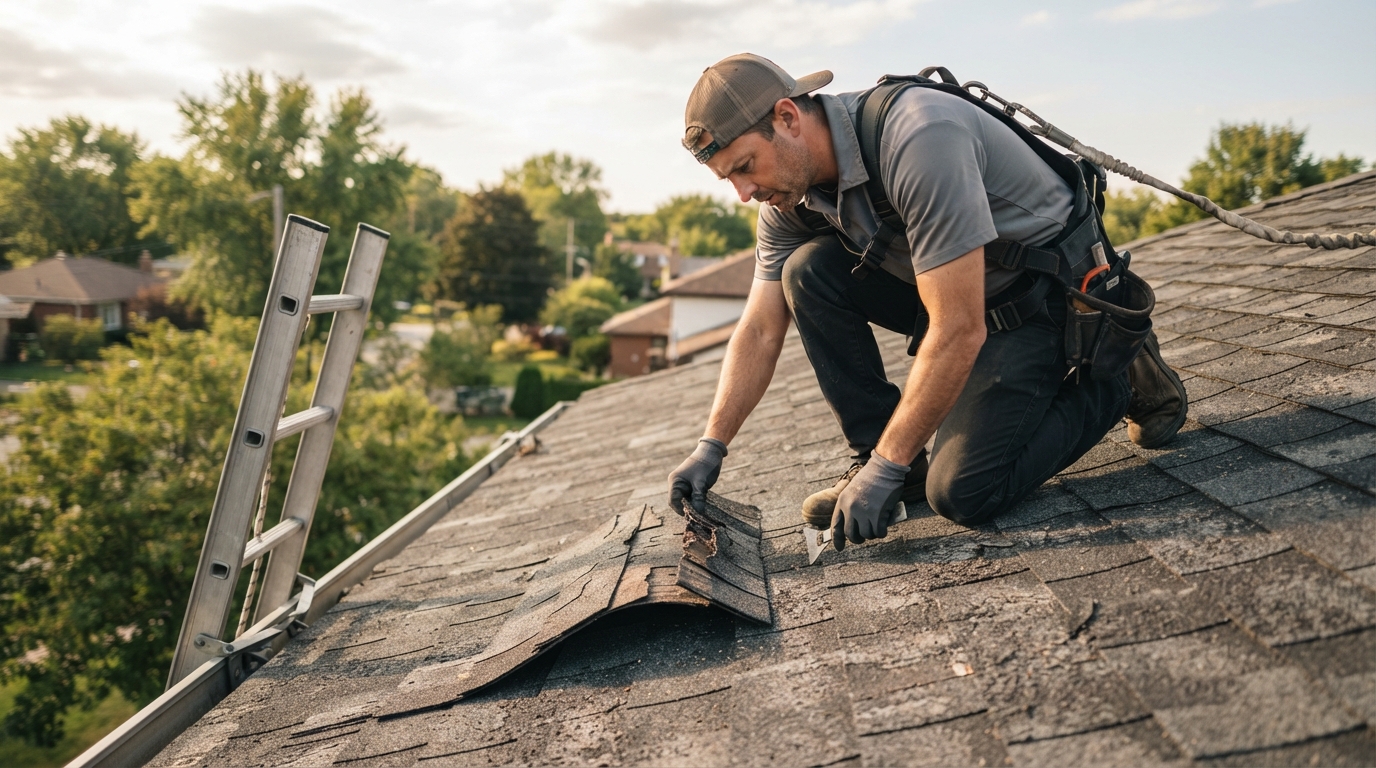
Certain physical changes on a roof surface point to deterioration that repair alone cannot reverse.
• Curling, cupping, or missing shingle tabs across large sections of the roof
• Granules collecting in gutters, which signals the protective coating is wearing thin
• Sagging rooflines or soft decking felt underfoot during inspection
• Daylight visible through the attic boards or persistent moisture stains on ceilings
Standard asphalt shingles commonly reach the end of practical service roughly 20 to 25 years for most U.S. homes, though installation quality, attic ventilation, and climate can shift that window by a decade or more in either direction. Architectural shingles tend to last longer, but the label on a shingle refers to its warranty class, not a guaranteed performance period.
How Local Weather Shortens Roof Lifespan
Freeze-thaw cycles, hail, and high wind events place added stress on roofing systems across Ohio.
| Factor | Effect on Roof | Typical Outcome |
| Hail impact | Bruises shingle mat without visible surface damage | Can shorten functional life by several years |
| Wind uplift | Loosens shingle seals and fasteners | Leads to leaks at seams and edges |
| Freeze-thaw cycles | Expands trapped moisture in decking | Accelerates rot and granule loss |
Hail damage on asphalt shingles often does not show from the ground, since a bruise on the shingle mat typically appears before visible granule loss, and a bruised roof can lose eight to twelve years of functional life while looking superficially intact. This makes a professional inspection valuable after any significant storm, even when no obvious damage is visible from the ground.
For general guidance on roof-related fall hazards and safe inspection practices, the OSHA roofing safety overview outlines protective standards followed by licensed contractors during assessments and repairs.
Repair vs. Full Replacement: Deciding Factors
Not every roofing issue requires a full tear-off. The decision typically comes down to the scope and location of the damage.
• Isolated leak near a single flashing point — usually repairable without full replacement
• Multiple leaks across different sections of the roof — often signals widespread underlayment failure
• Roof age under 15 years with good ventilation — repair is commonly sufficient
• Roof age past 20 years with granule loss and soft decking — full replacement is typically more cost-effective long term
Patching a roof nearing the end of its service life can lead to repeated callbacks for the same underlying problem, since the surrounding shingles and underlayment are often degrading at a similar rate even when only one section is visibly damaged.
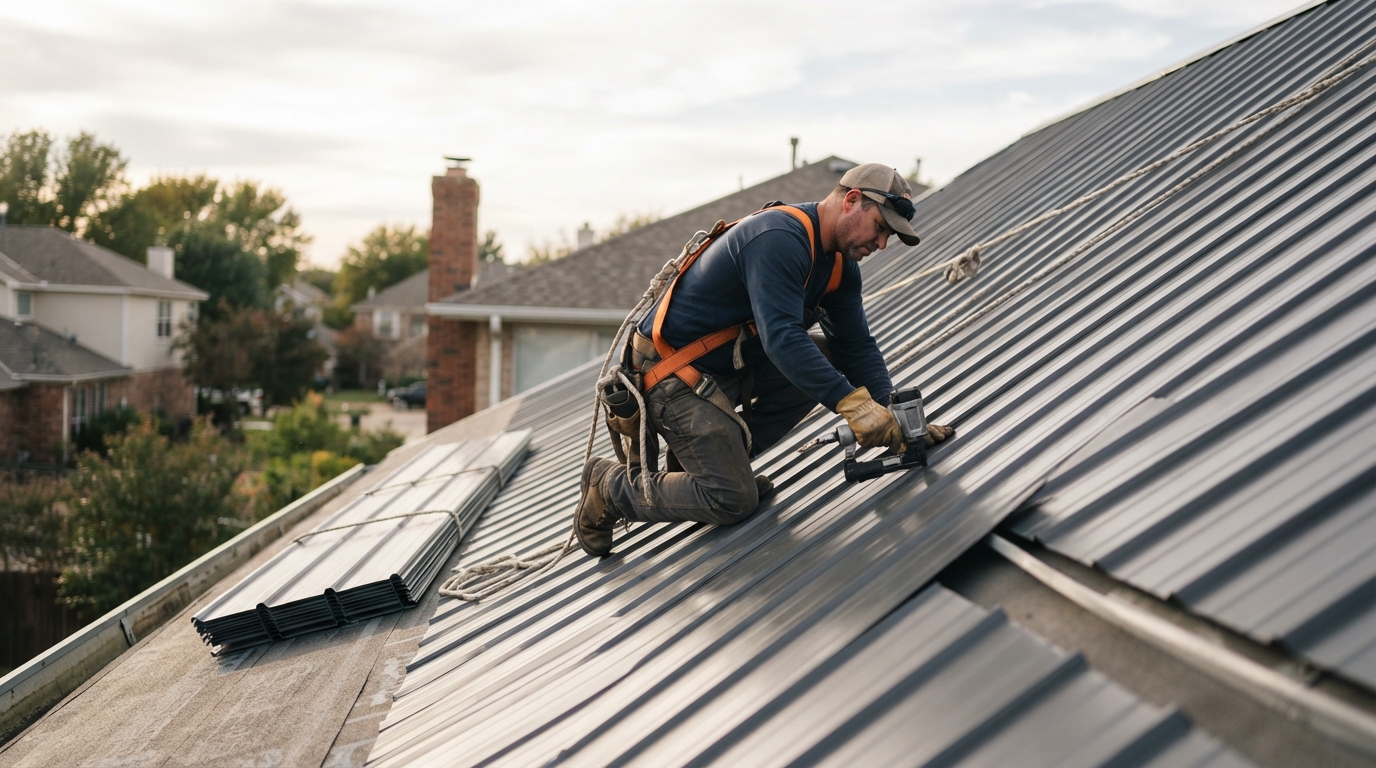
Based in Elida, OH, Buckeye Roofing & Maintenance serves customers across Lima, OH, working with asphalt shingle, metal roofing, and gutter systems on residential properties.
Frequently Asked Questions
How do I know if my roof needs full replacement instead of a repair? Widespread granule loss, soft or sagging decking, and leaks appearing in more than one area of the roof are the clearest signs that a patch will not resolve the underlying problem.
Does storm damage always mean a roof needs replacing? Not always, but hail and wind events can cause hidden damage that is not visible from the ground, which is why a post-storm inspection is a reasonable precaution even without obvious leaks.
How long does a typical asphalt shingle roof last in Ohio? Most asphalt shingle roofs last between 15 and 30 years depending on shingle grade, installation quality, and climate exposure, though local freeze-thaw cycles and storms can shorten that range.
Can gutters affect how long a roof lasts? Clogged or damaged gutters can allow water to back up under shingles and around the fascia, which accelerates rot and shortens the usable life of an otherwise sound roof.
Recognizing these warning signs early allows homeowners to plan for a full roof replacement before minor issues turn into structural repairs or interior water damage. Current scheduling information for Click Here For Roof Replacement is available for residents evaluating roofing options in the area.