• A gutter installer fits seamless or sectional gutter systems that channel roof runoff away from the roofline, siding, and foundation.
• Properly installed gutters reduce water intrusion at roof edges, fascia, and soffits, which lowers the risk of rot and leaks over time.
• Coastal towns near Old Saybrook, CT face added drainage stress from storms and salt exposure, making correct slope and hanger placement especially important.
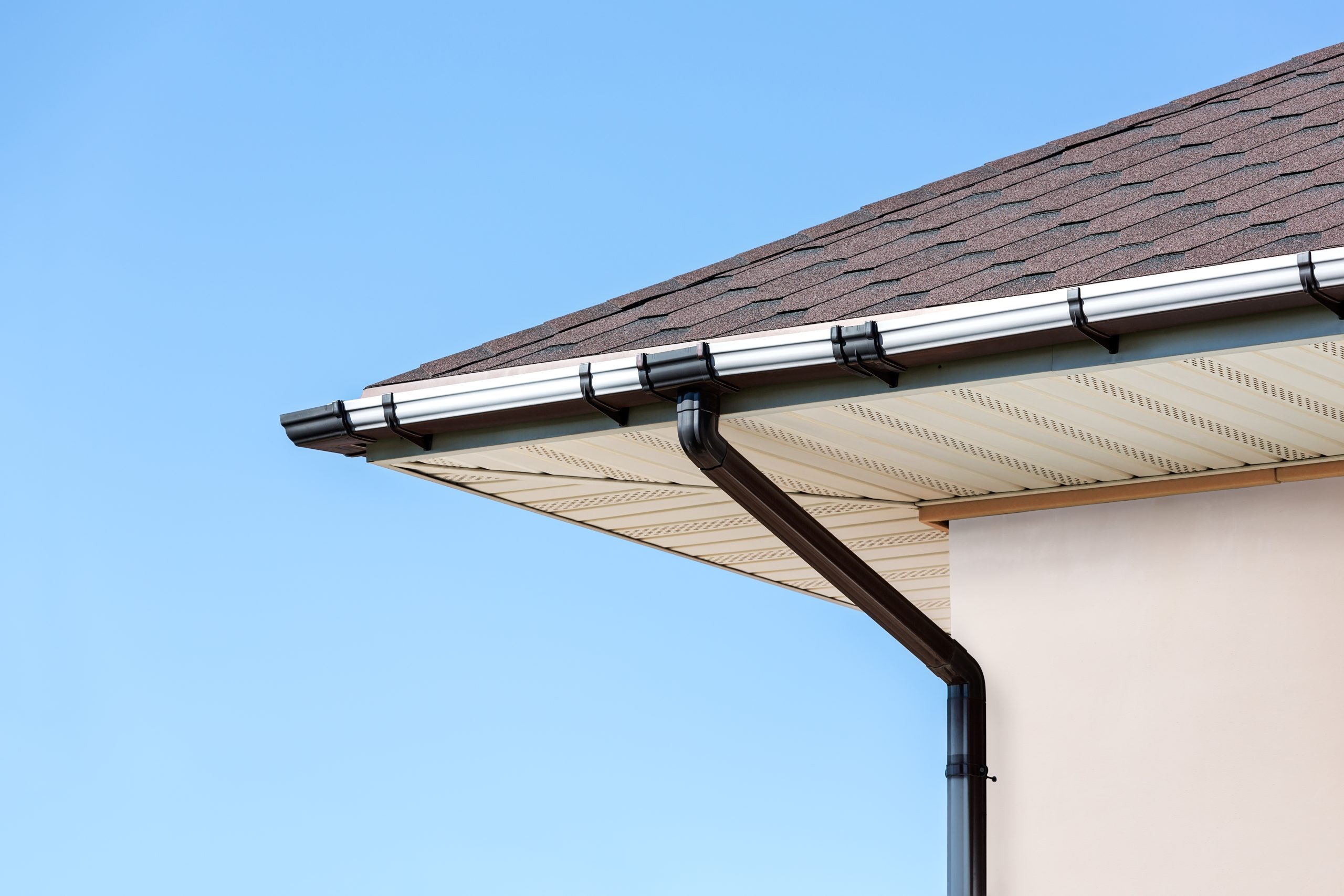
A qualified gutter installer fits and secures a gutter and downspout system so roof runoff is directed away from the roofline, walls, and foundation rather than pooling at the home’s edge. This work matters because gutters function as an engineered part of a home’s drainage system, not a cosmetic add-on.
Homeowners searching for a Gutter Installer typically want someone who can measure the roofline accurately, select a material suited to local weather, and anchor the system so it holds up through seasonal storms. This is especially relevant along the Connecticut shoreline, where wind-driven rain and salt air accelerate wear on fasteners and seams.
Why Professional Gutter Installation Protects the Roof
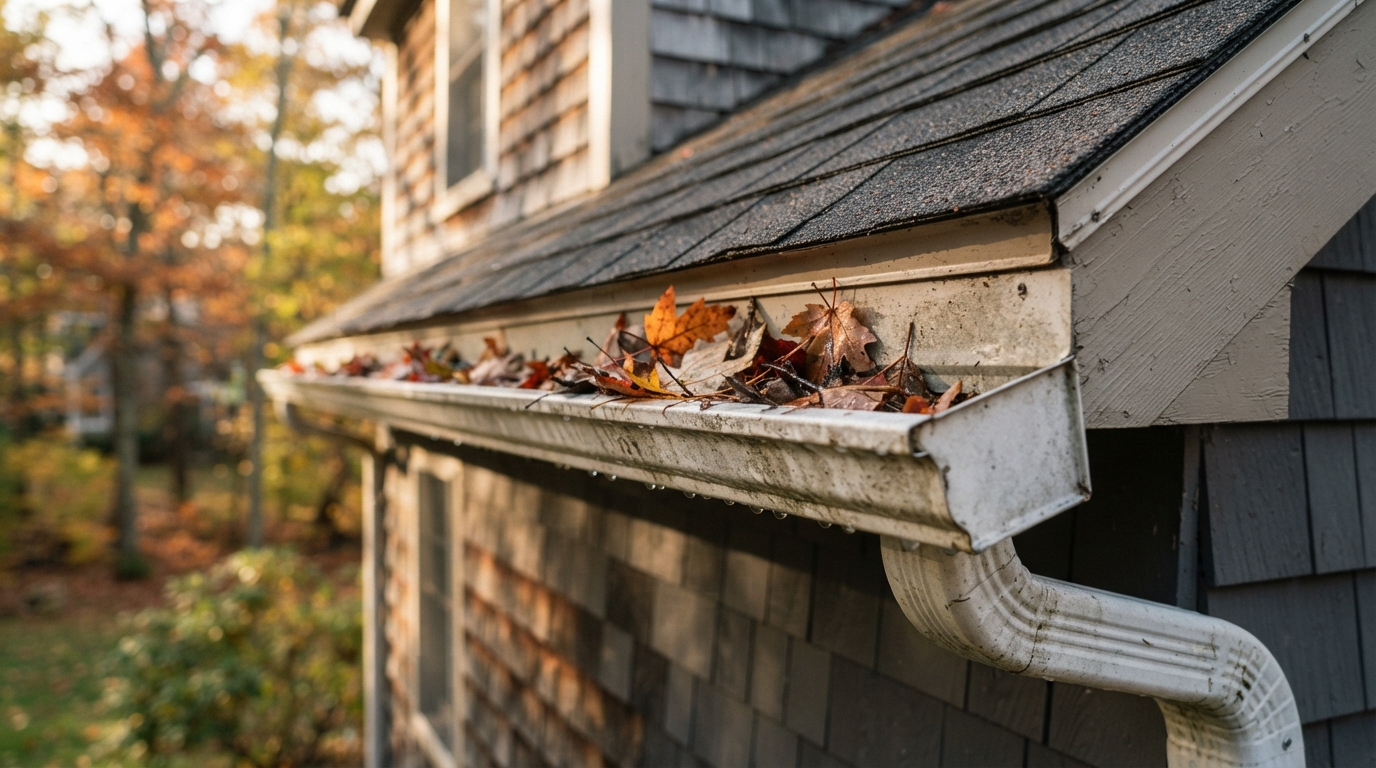
A roof and its gutters work as one drainage unit. When gutters are missing, clogged, or poorly aligned, water backs up at the eaves instead of flowing into downspouts.
• Fascia and soffit protection : Water that overflows a misaligned gutter soaks the wood trim beneath the roofline, leading to rot over time.
• Foundation drainage : Downspouts that discharge water away from the base of the house reduce soil saturation that can crack or shift a foundation.
• Ice dam reduction : Gutters that drain freely in winter limit the standing water that contributes to ice buildup at the roof edge.
Industry guidance on building science notes that a few inches of rain falling on a roof can produce thousands of gallons of runoff, underscoring why properly sized gutters and downspouts matter for managing that volume.
What a Gutter Installer Typically Does
Installation work generally follows a sequence designed to match the gutter system to the specific roofline and drainage needs of the property.
1. Site evaluation – measuring roofline length, roof pitch, and existing drainage patterns.
2. Material selection – choosing aluminum, steel, copper, or vinyl based on budget, climate exposure, and appearance preferences.
3. Fabrication and fitting – forming seamless gutter sections on-site or fitting sectional pieces to the fascia.
4. Hanger and slope setting – securing the system with hidden or exposed hangers at a slope that keeps water moving toward downspouts.
5. Downspout placement – positioning downspouts to carry water a sufficient distance from the foundation.
Based in Durham, CT, Click here for gutter installation serves homeowners across Old Saybrook, CT as part of its coverage along the Connecticut shoreline. The company’s published service information describes seamless gutter installation, replacement, repair, and leaf guard work for coastal properties.
Gutter Material Comparison for Coastal Homes
Material choice affects how well a gutter system withstands salt air, storm wind, and seasonal temperature swings common to shoreline towns.
|
Material |
Typical Lifespan |
Best Suited For |
|
Aluminum |
20-30 years |
Most homes; rust-resistant, lightweight |
|
Steel |
20-25 years |
Heavier snow and wind loads |
|
Copper |
50+ years |
Historic or high-end homes, premium finish |
|
Vinyl |
10-15 years |
Budget projects, milder climates |
Homes in Old Saybrook, CT often deal with coastal storms and older housing stock, both of which affect which material and installation approach hold up best over time.
Frequently Asked Questions
How do I know if my gutters need to be replaced rather than repaired? Sagging sections, visible separation at seams, or recurring overflow during moderate rain are signs that replacement may be more practical than a repair.
Does gutter material matter for coastal properties? Yes. Salt air accelerates corrosion on lower-grade metals, so heavier-gauge aluminum or corrosion-resistant finishes are often recommended for shoreline exposure.
How often should gutters be inspected? Most guidance suggests checking gutters at least twice a year, typically in spring and fall, plus after major storms.
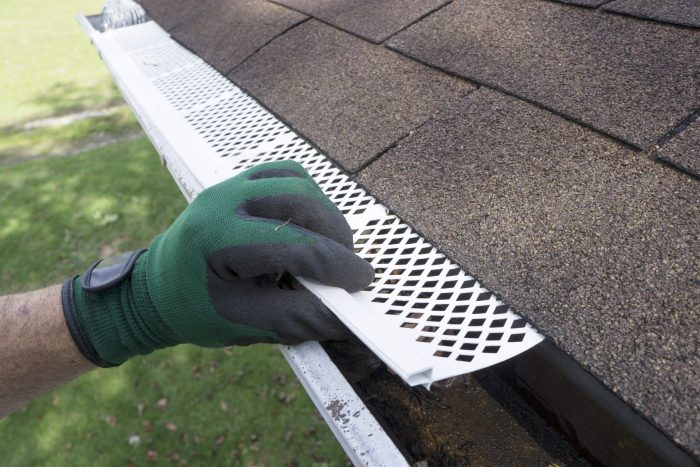
Can a gutter installer also add leaf protection? Many installers offer gutter guard options alongside standard installation, which can reduce how often gutters need to be cleared of debris.
A Note on Local Conditions
Drainage demands near the Connecticut shoreline differ from inland areas because of storm frequency, salt exposure, and older home construction common in towns like Old Saybrook, CT. A system that performs well inland may not hold up the same way against coastal wind and moisture, which is why slope, hanger spacing, and material grade are evaluated on a case-by-case basis rather than applied uniformly.
Current service area information for Click here for gutter installation is published for homeowners along the Connecticut shoreline.