
Essentially:
-
Hard water in Montana homes causes scale buildup, dry skin, and appliance strain, and a properly sized softener system removes the calcium and magnesium minerals responsible.
-
Professional installation matters because incorrect sizing or plumbing connections can reduce softener performance and shorten equipment life.
-
Local well and municipal water in Montana often carries mineral loads high enough to justify treatment, according to EPA water quality guidance.
Montana households dealing with chalky faucets, dull laundry, or soap that will not lather are almost always facing a hard-water mineral problem, and the most direct fix is a correctly sized softener matched to the home’s actual water hardness level.
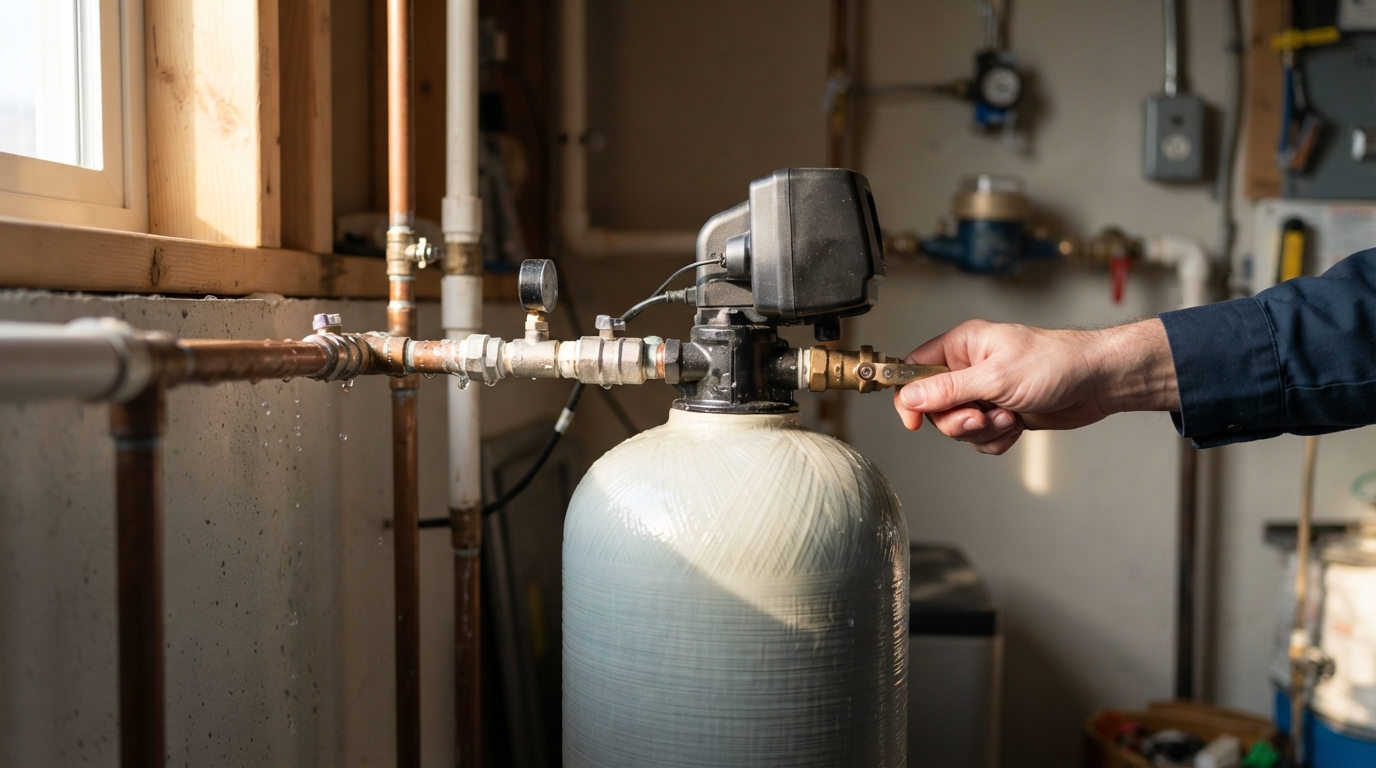
Hard water is not a safety hazard, but it is a persistent nuisance that wears down plumbing and household routines over time. Water Softner Installation in Montana addresses this at the source by removing calcium and magnesium ions before they reach fixtures, water heaters, and appliances. Many Montana properties rely on well water, which tends to pick up mineral content as it moves through soil and rock before reaching a household tap.
What Causes Hard Water in Montana Homes
Montana’s geology means groundwater frequently passes through limestone and mineral-rich soil, picking up dissolved calcium and magnesium along the way. The result is water classified as hard or very hard by national standards.
-
Moderately hard water: 61 to 120 ppm, with some spotting on dishes
-
Hard water: 121 to 180 ppm, with visible limescale and dry skin after showering
-
Very hard water: above 180 ppm, with heavy fixture buildup and brittle hair
The U.S. Geological Survey classifies water as hard starting at 121 ppm, and most of the country’s hardest water shows up west of the Mississippi, a region that includes Montana.
Signs a Property Needs Softener Treatment
Homeowners often notice the symptoms before they understand the cause. The most common complaints center on cleaning performance, skin and hair condition, and visible residue around the home.
-
Scale buildup on fixtures. White or chalky deposits accumulate on faucets, showerheads, and glass shower doors.
-
Reduced soap and detergent effectiveness. Hard water combines with soap to form a sticky curd instead of a clean lather.
-
Dry skin and dull hair. Mineral residue left on skin and hair after bathing can cause tightness and flatness.
-
Appliance strain. Water heaters and dishwashers accumulate scale internally, which the EPA notes can restrict or block water flow in home plumbing over time.
-
Fading laundry. Clothes washed repeatedly in hard water can look dingy and wear out faster.
How Professional Installation Solves These Problems
A water softener works by exchanging calcium and magnesium ions for sodium or potassium ions through a resin-based process, but the system only performs as designed when it is sized and installed correctly for the property’s water volume and hardness level. According to EPA secondary drinking water standards guidance, hardness-related minerals are not health risks but fall under aesthetic and technical nuisance concerns tied to scaling, corrosion, and reduced flow.
-
Water testing first. Confirming the home’s actual hardness level in grains per gallon or ppm determines the correct system capacity.
-
Correct placement. The softener is installed at the point where water enters the home, treating water before it reaches the heater and fixtures.
-
Bypass and drain connections. Proper plumbing ensures the system regenerates without disrupting household water use.
-
System sizing. Undersized units regenerate too frequently; oversized units waste salt and water.
In Montana service areas including Helena and surrounding communities, residential, ranch, and commercial properties commonly rely on well water, which can carry a different mineral profile than municipal supply and may require additional testing before installation.
Comparing Common Water Treatment Approaches
|
Treatment Type |
Primary Function |
Best Suited For |
|
Water Softener |
Removes calcium and magnesium (hardness) |
Scale buildup, dry skin, appliance protection |
|
Reverse Osmosis |
Removes dissolved solids for drinking water |
Taste and purity at the tap |
|
Whole-Home Filtration |
Removes sediment and broader impurities |
General water quality throughout the house |
|
UV Disinfection |
Neutralizes bacteria and microorganisms |
Well water microbial concerns |
Softening and filtration solve different problems, and many Montana properties use more than one treatment method depending on their water source and household needs.
Frequently Asked Questions
Does Montana well water typically need a softener? Many wells in Montana draw from mineral-rich aquifers, and testing is the only reliable way to confirm hardness levels before deciding on treatment.
Will a softener fix bad-tasting water? Softeners target hardness minerals, not taste or odor issues, which are often better addressed with filtration or reverse osmosis.
How often does a softener need maintenance? Softeners require periodic salt refills and occasional system checks to keep the resin bed regenerating properly, though frequency depends on household water use and hardness level.
Can hard water damage a water heater? Scale buildup from hard water can reduce heating efficiency and contribute to appliance strain over time, which is a technical effect recognized under EPA secondary standards guidance.
Addressing hard water starts with understanding what is actually in a home’s water supply and matching that data to the right equipment and installation approach. Montana properties relying on well or municipal sources both benefit from testing before any system is installed, since guessing at hardness levels tends to lead to undersized or oversized equipment. For residents in Helena and nearby Montana communities exploring softener options, 180 Water offers residential, ranch, and commercial water treatment services, including water softening, filtration, and related systems designed for the region’s common mineral content.