
Summary first:
• A qualified foundation repair company should offer a documented inspection, a written repair plan, and warranty terms before any work begins.
• Slab foundation repair methods and pricing vary by soil conditions, home size, and the extent of settlement.
• San Antonio, TX homeowners face clay-heavy soil that shifts seasonally, making proper diagnosis as important as the repair itself.
Selecting a qualified foundation repair company starts with verifying licensing, inspection practices, and the repair method proposed for the specific type of foundation movement observed. The right choice is a contractor who documents the problem with measurements before recommending a fix, rather than one who quotes a price over the phone. A Foundation Repair Company San Antonio TX that explains the diagnostic process in plain terms gives homeowners a clearer basis for comparison.
Foundation settlement rarely resolves on its own, and delaying evaluation often allows cracks, sticking doors, or sloped floors to worsen. Understanding what separates a thorough contractor from a rushed one can prevent costly rework later.
What a Reliable Foundation Repair Process Looks Like
A sound repair process follows a sequence, not a shortcut. Contractors who skip steps to close a sale faster tend to produce less durable results.
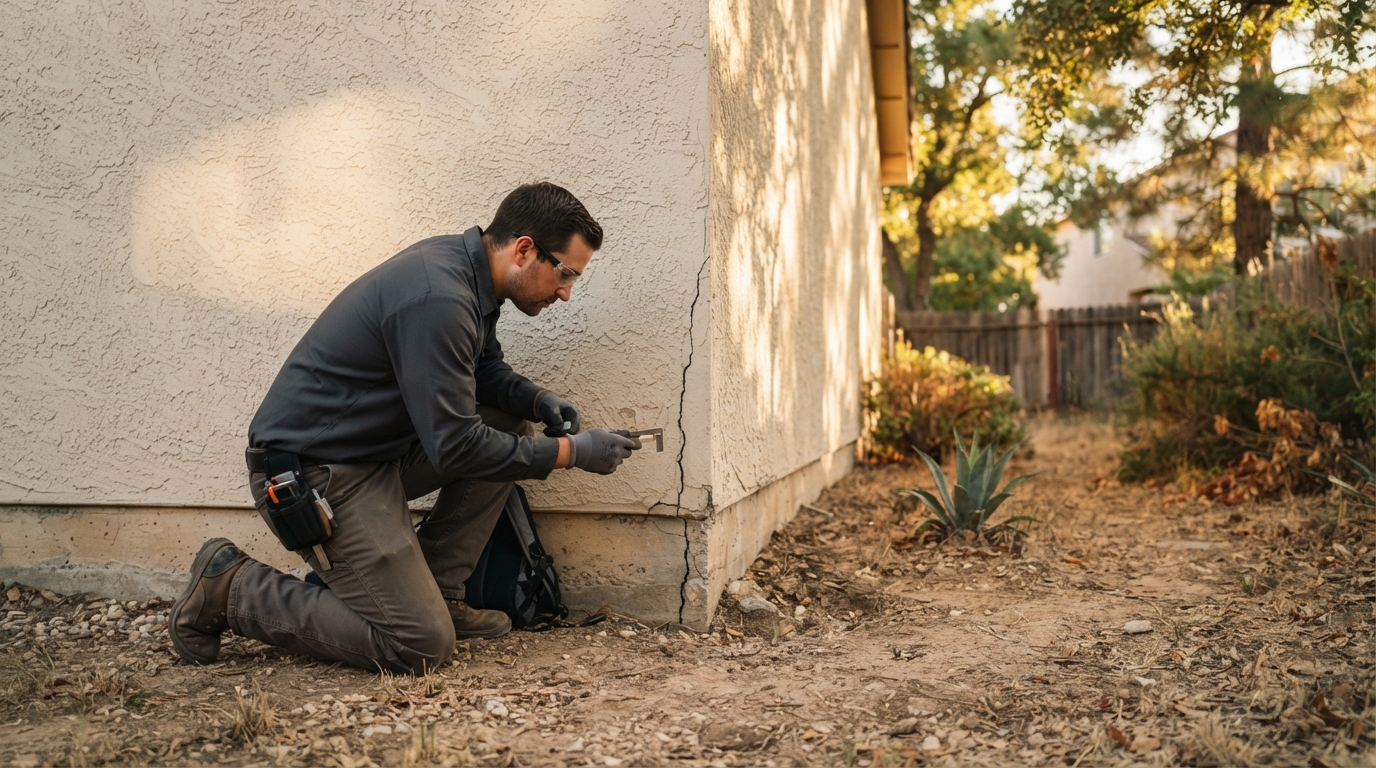
• Initial inspection : A technician checks elevation points, wall cracks, and door or window alignment throughout the structure.
• Soil and structural assessment : Soil composition and moisture history inform which pier type or leveling method fits the property.
• Written repair plan : The plan should specify pier count, placement, and expected outcome before work begins.
• Lift and stabilization : Piers are driven to a load-bearing depth, then the structure is raised incrementally to limit stress on walls and plumbing.
• Final documentation : Post-repair elevation readings confirm the home reached its target level.
Homeowners researching options locally can review how this sequence is applied in regional conditions through a foundation repair in San Antonio, TX resource that outlines inspection and measurement steps specific to the area.
Why Soil Conditions in San Antonio, TX Affect Repair Choices
South-central Texas sits on clay-heavy soil that expands when saturated and contracts during dry spells, creating uneven pressure under slab foundations. This cycle is a primary driver of cracked slabs, bowing walls, and uneven floors in the region. Homes built on expansive clay typically need periodic monitoring even after an initial repair, since soil movement can resume with seasonal rainfall changes.
Because soil behavior varies block by block, a contractor’s familiarity with local geology matters as much as the repair method itself. Companies that document soil conditions at each site, rather than applying a single standard fix everywhere, are better positioned to recommend piers at the correct depth and spacing.
Comparing Common Foundation Repair Methods
|
Method |
Typical Use Case |
Key Consideration |
|
Steel push piers |
Settled slab foundations needing support to load-bearing strata |
Depth varies by site; driven to refusal for stability |
|
Helical piers |
Lighter structures or areas with limited access |
Installed with mechanical torque, less disruptive excavation |
|
Mudjacking or slab jacking |
Minor, localized settlement |
Shorter lifespan than pier systems in expansive soils |
|
Drainage correction |
Supplemental to pier work |
Addresses moisture causes rather than structural symptoms |
Pricing for any of these methods depends on the extent of damage, home size, and soil conditions, so a written estimate following an on-site inspection is a more reliable baseline than a general quote.
Evaluating Warranties and Contractor Credentials
Warranty terms differ significantly between companies, and the fine print often determines what is actually covered. Before signing a contract, homeowners should confirm:
1. Whether the warranty is transferable to future homeowners.
2. What specific repairs or pier types the warranty covers.
3. Whether the contractor holds a current general contractor license in the state.
4. How the company documents pre- and post-repair measurements for future reference.
Verifying these details in writing, rather than relying on verbal assurances, reduces the chance of disputes if settlement recurs.
Frequently Asked Questions
How do I know if my foundation needs repair rather than monitoring? Visible signs such as diagonal cracks over three-sixteenths of an inch, doors that no longer latch, or a noticeable floor slope usually warrant a professional evaluation rather than continued observation.
Does foundation repair fix the underlying soil problem? Pier systems stabilize the structure by reaching load-bearing soil or bedrock, but drainage and grading adjustments are often needed separately to manage the moisture that caused the original movement.
How long does a typical slab foundation repair take? Most residential pier installations are completed within one to a few days, depending on the number of piers required and site accessibility, though this varies by project scope.
Is a free inspection a reliable way to get an accurate estimate? An inspection that includes elevation measurements and a written scope of work provides a more dependable basis for an estimate than a verbal walkthrough alone.
Based in USA, Foundation Solutions serves customers across San Antonio, TX, applying steel pier installation and foundation leveling methods suited to regional soil conditions. Additional background on the company’s history and service approach is available through its Risen Foundation Solutions Google Business Profile.
Current service area details for Risen Foundation Solutions are published for reference by homeowners researching local contractors.