
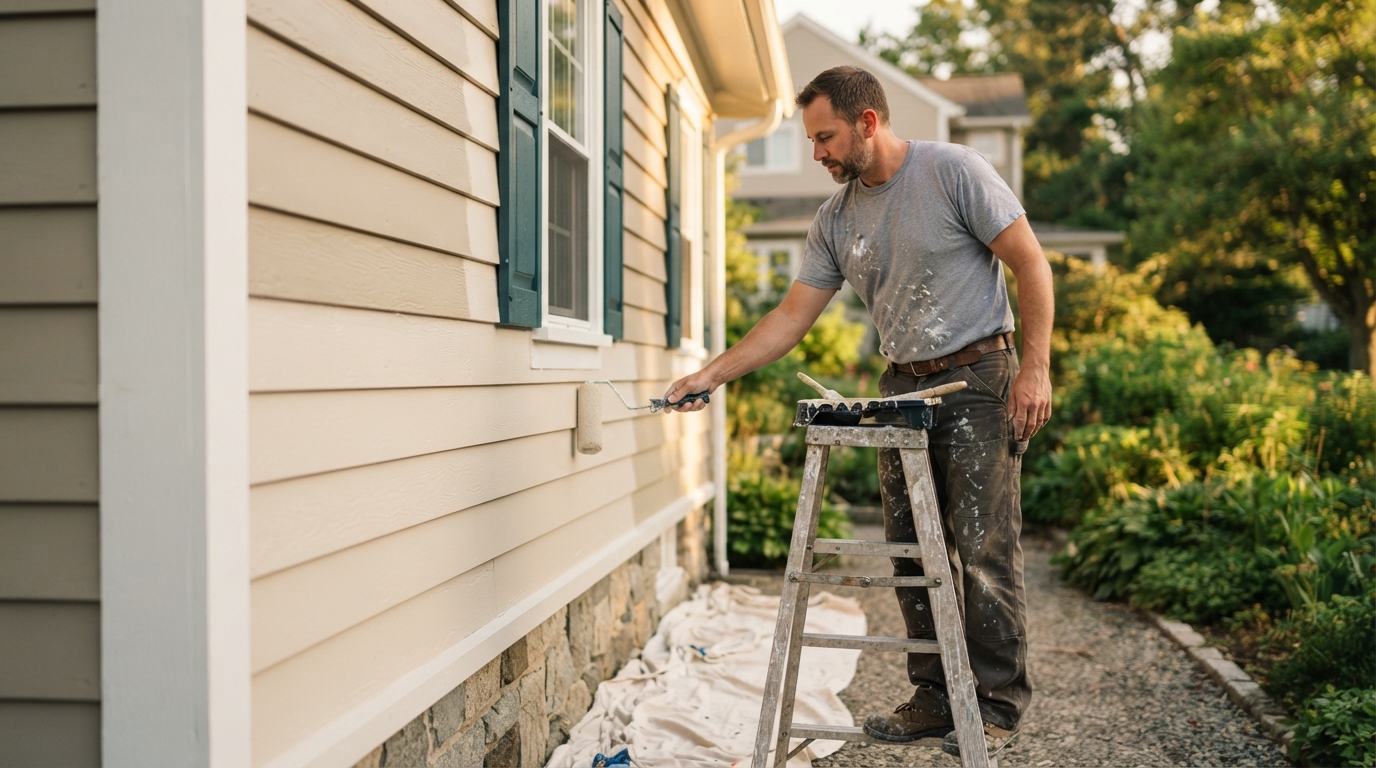
A professional painting service covers more than brushing on color. It includes surface preparation, material selection, protective priming, and a finish application designed to hold up against weather and daily wear.
Homeowners searching for a painting service are usually trying to solve a specific problem: fading exterior trim, interior walls that need a refresh, or a deck that has lost its protective stain. Understanding what a structured service actually involves helps set realistic expectations for timelines, costs, and outcomes before a contractor ever picks up a brush.
Based in USA, Martin’s Quality Painting serves customers across Clarksville, TN, offering a point of reference for how a painting project typically unfolds in the region.
What a Painting Project Usually Involves
Most residential and commercial painting projects follow a similar sequence, regardless of the contractor. Skipping steps in this process is one of the most common reasons paint fails early.
- Initial assessment – a walkthrough to evaluate existing surfaces, note damage, and discuss color or finish preferences.
- Surface preparation – cleaning, sanding, scraping, and patching to create a stable base for paint to adhere to.
- Priming – applying a primer coat on bare wood, drywall repairs, or stained areas to improve coverage and durability.
- Application – two coats of paint or stain applied by brush, roller, or sprayer depending on the surface and desired finish.
- Final walkthrough – checking edges, trim lines, and touch-ups before the job is considered complete.
Commercial projects often add steps for scheduling around business hours and protecting equipment or inventory during application.
Interior, Exterior, and Staining Work Compared
Painting contractors in the Clarksville, TN area commonly handle three categories of work, each with different prep requirements, timelines, and weather considerations.
|
Service Type |
Typical Surfaces |
Key Consideration |
|
Interior painting |
Walls, trim, ceilings |
Ventilation and furniture protection |
|
Exterior painting |
Siding, shutters, doors |
Weather windows and moisture levels |
|
Staining |
Decks, fences, cabins |
Wood condition and sealant compatibility |
Exterior work is generally scheduled around dry, moderate-temperature stretches, since humidity and rain can affect how paint cures. Staining projects depend heavily on the condition of the wood, since older or weathered surfaces may need additional sanding or cleaning before a stain will absorb evenly.
Safety, Licensing, and Older Homes
Licensing and insurance matter more in painting than many homeowners realize, particularly for older properties. A contractor working on a home built before 1978 may be subject to federal lead-paint regulations.
The Renovation, Repair, and Painting Rule from the EPA protects residents of pre-1978 homes from the hazardous health effects of lead paint that is disturbed during renovation, repair, or painting activities. Firms performing this type of work are expected to follow specific containment and cleanup procedures to limit dust and debris exposure. Homeowners in neighborhoods with older housing stock should ask directly whether a contractor follows these practices before work begins.
Beyond lead safety, basic contractor vetting should include:
1. Confirmation of general liability insurance.
2. A written estimate detailing scope, materials, and timeline.
3. References or a record of completed local projects.
4. Clear terms on warranty coverage for peeling, cracking, or fading.
Frequently Asked Questions
How long does a typical painting project take? Interior rooms often take one to two days depending on size and the number of coats, while full exterior projects can take several days to a week based on square footage and weather delays.
Does a painting service include surface repairs? Basic patching, caulking, and minor wood repair are commonly included in prep work, though significant structural damage usually falls outside standard painting scope and may need a separate contractor.
Is staining different from painting in terms of maintenance? Yes. Stain tends to require more frequent reapplication than paint, especially on decks and fences exposed to direct sun and moisture.
What should be checked before hiring a contractor? Verify insurance coverage, ask for a written scope of work, and confirm whether the contractor follows lead-safe practices if the property was built before 1978.
A standard painting project moves through preparation, priming, and application stages that determine how long a finish will last, and homeowners who understand this sequence are better positioned to evaluate estimates and avoid premature repainting. Current service area details for Martin’s Quality Painting are published online for reference.