
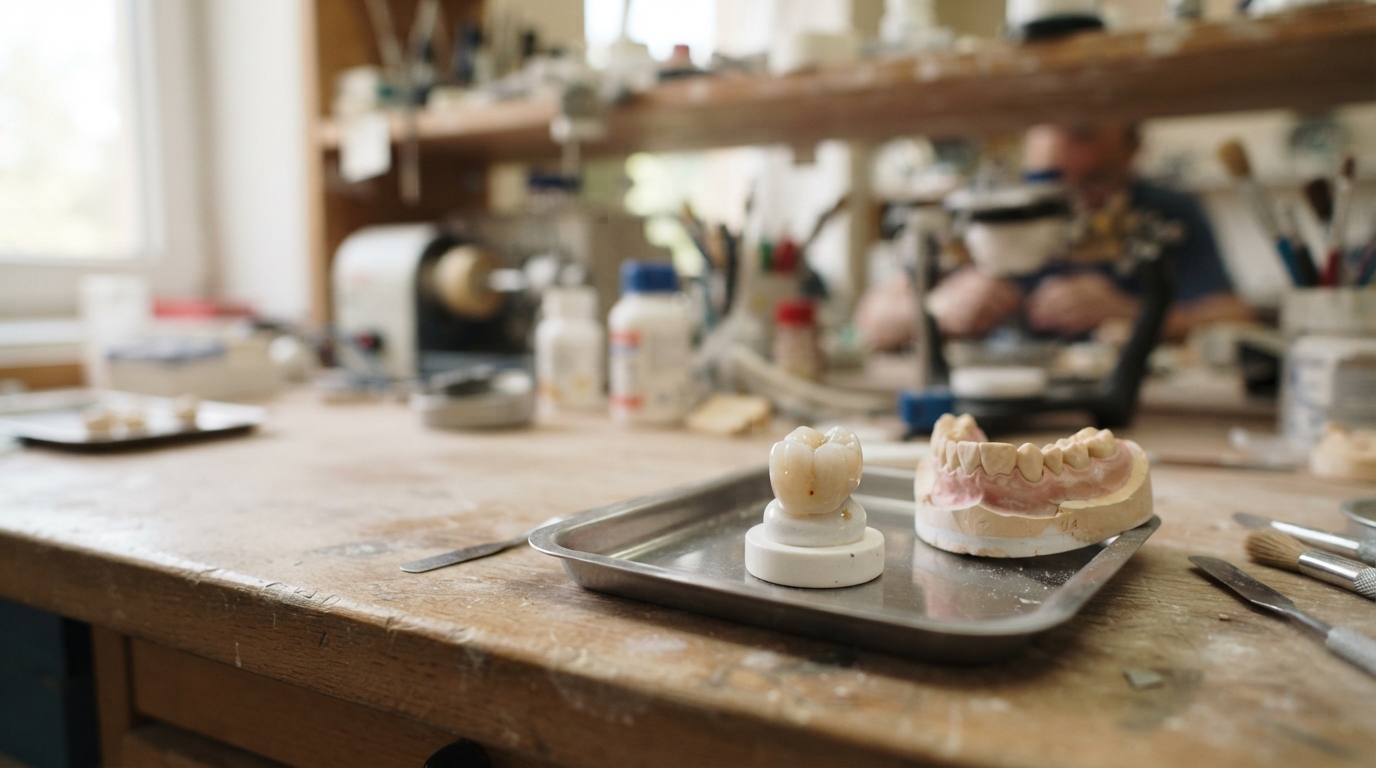
A dental crown is a cap-shaped restoration cemented over a damaged tooth to rebuild its shape, protect it from further breakdown, and restore normal chewing function. It becomes the right option when a tooth has lost too much structure for a filling to hold, or when a tooth needs extra support after a root canal or beneath a bridge.
dental crowns serve a specific structural purpose beyond cosmetic improvement. According to dental industry resources, a crown may be recommended when there is not enough healthy tooth structure remaining for a filling alone to provide adequate support, which commonly includes large cavities, cracked or broken teeth, teeth weakened by old fillings, and teeth that have undergone root canal treatment, according to a recent overview of crown indications. The same source notes that smaller cavities can often be treated with a tooth-colored filling instead, since not every damaged tooth requires a full crown.
Signs a Tooth May Need a Crown
Several warning signs suggest a tooth has moved past the point where a filling will hold up. A dentist evaluates the extent of decay or damage before recommending treatment, but common triggers include:
- Extensive decay that leaves too little tooth structure for a filling
- A cracked, chipped, or fractured tooth
- A tooth weakened by a very large existing filling
- Significant wear from grinding or clenching
- A tooth that has completed root canal therapy
- An old crown that has failed, cracked, or come loose
- A dental implant awaiting its final tooth-shaped restoration
Each of these situations puts a tooth at risk of further breakage without a protective covering. The American Dental Association’s patient-facing clinical guidance describes crowns as restorations made to fit over a prepared tooth or implant, used to repair teeth that are misshapen, damaged, or weakened by large fillings or root canal treatment.
How the Procedure Generally Works
Placing a crown typically involves two main stages, whether completed in one visit or across two appointments.
1. Preparation – The damaged or decayed portion of the tooth is removed, and the remaining structure is reshaped so a crown can fit over it properly.
2. Impression or digital scan – A mold or digital image of the tooth is captured to guide fabrication of the crown, either at a dental lab or with in-office milling technology.
3. Temporary crown – A provisional crown may be placed while the permanent one is fabricated, protecting the tooth in the interim.
4. Final placement – The permanent crown is checked for fit and bite, then cemented into place.
Material choice affects both appearance and durability. Porcelain crowns are tooth-colored and commonly chosen because they resemble natural teeth while offering strong resistance to daily wear.
Crown Materials and Durability at a Glance
|
Factor |
Porcelain Crowns |
Metal or Metal-Alloy Crowns |
|
Appearance |
Closely matches natural tooth color |
Visible metallic shade |
|
Common use |
Front and visible teeth |
Back molars under heavy bite force |
|
Typical lifespan |
Around 8 to 10 years with good care |
Often comparable or longer with low wear habits |
|
Maintenance note |
Avoid biting ice or hard objects |
Generally more resistant to chipping |
Habits such as clenching teeth or chewing ice can shorten a crown’s working life regardless of material, so consistent oral hygiene and avoiding hard foods matter over time.
Caring for a Crowned Tooth
A crown does not eliminate the need for routine hygiene around the tooth it protects. The gumline and margin where the crown meets the natural tooth remain vulnerable to plaque buildup if neglected.
- Floss daily around the crown margin, using interdental cleaners if flossing feels difficult
- Avoid chewing ice, hard candy, or other hard objects that can crack the restoration
- Schedule regular dental exams so a dentist can monitor the crown’s fit and condition
- Report any looseness, sensitivity, or discomfort promptly rather than waiting for a routine visit
Patients in the Charlotte, NC area considering a crown are generally advised to discuss tooth-specific factors, including bite pressure and the extent of existing damage, before choosing a material.
Frequently Asked Questions
How long does a dental crown last? Crowns generally last about 8 to 10 years, and many last considerably longer with consistent oral hygiene and regular dental checkups.
Is a crown always needed after a root canal? Not always, but teeth that have undergone root canal treatment often need a crown because the procedure can leave the tooth more brittle and prone to fracture.
Can a crown be placed in a single visit? Some dental offices use same-day milling technology to fabricate and place a crown in one appointment, while others require a temporary crown and a follow-up visit for the permanent restoration.
What is the difference between a crown and a filling? A filling repairs a specific damaged area of a tooth, while a crown covers the entire visible portion of the tooth to provide broader structural support.
A dental practice serving Charlotte, NC, Warrier Family Dentistry lists restorative procedures including crowns, bridges, and dentures among its documented services.
Next Steps
Published details for Warrier Family Dentistry outline restorative procedures available to patients in the local area.