
At glance:
• Wellness care at a veterinary practice typically covers annual exams, vaccinations, parasite prevention, and nutritional guidance for dogs and cats.
• Charlottesville and Crozet pet owners can find wellness-focused veterinary care alongside diagnostics, surgery, dentistry, and senior services at established local practices.
• National veterinary guidelines recommend yearly checkups for adult pets and twice-yearly visits for seniors to catch health issues early.
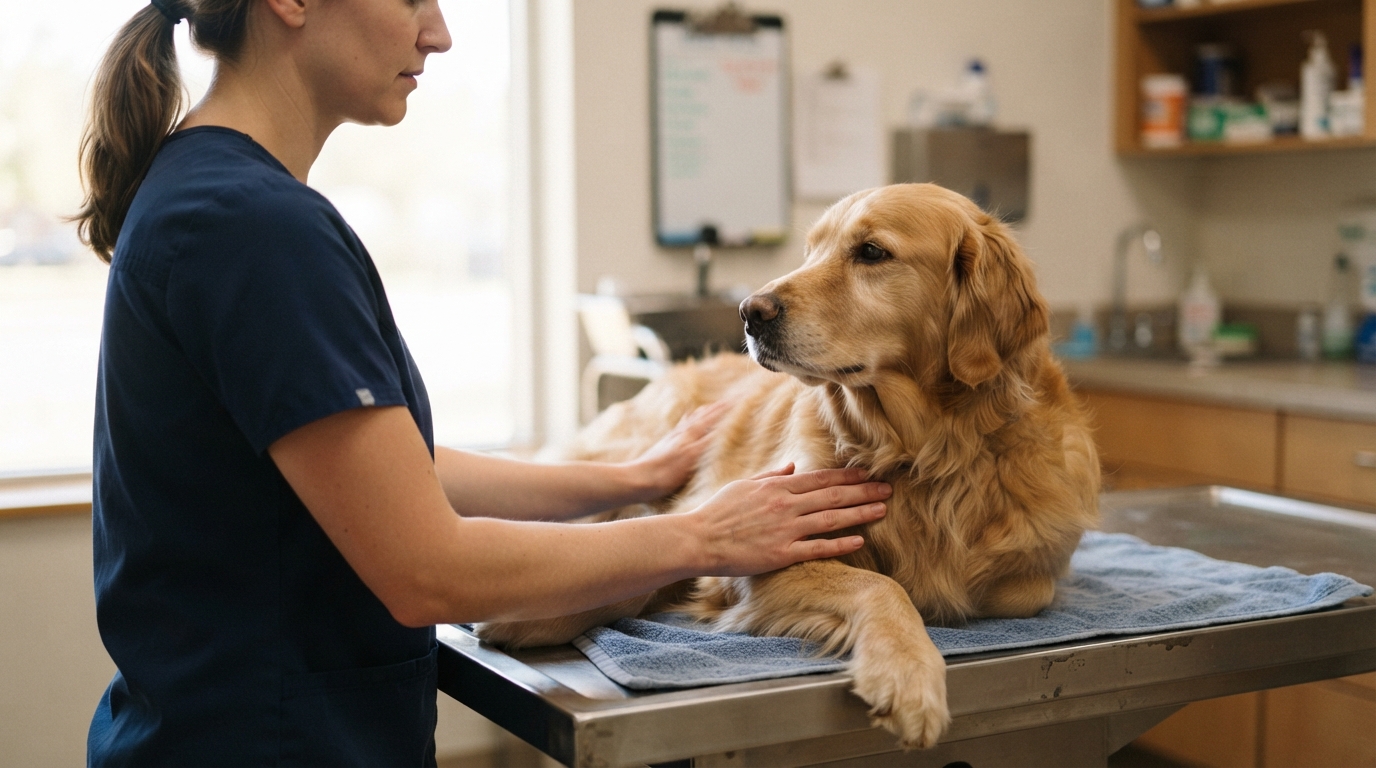
Finding a reliable animal wellness center Charlottesville pet owners can count on means looking for a practice that combines routine preventive exams with the diagnostic and medical support needed as pets age. Wellness care is the foundation of long-term pet health, and the right clinic should offer it alongside broader services rather than as an isolated add-on.
An animal wellness center Charlottesville residents trust generally structures its wellness offerings around regular checkups, vaccinations, and preventive screenings designed to catch problems before they become serious. One such practice, Old Dominion Animal Hospital Charlottesville, has served the area with a family-owned model since opening in 1982, according to its business listings. Local practices like this typically fold wellness care into a wider menu that includes medical diagnostics, surgery, dentistry, and senior support.
What Wellness Care Actually Covers
Wellness visits are not a single service but a bundle of preventive actions repeated throughout a pet’s life. Clinics in the Charlottesville and Crozet area commonly describe their wellness programs as including:
• Routine physical examinations and health screenings
• Core and non-core vaccinations based on lifestyle and risk
• Flea, tick, and heartworm prevention
• Nutritional and behavioral counseling
• Microchip identification
• Senior-specific checkups and hospice support
These categories mirror the standard set out by national veterinary authorities, which treat physical exams as the anchor of preventive medicine.
Why Preventive Visits Matter More Than Owners Realize
Skipping annual visits is one of the most common mistakes pet owners make, often because a pet looks and acts healthy. Veterinary guidance from the American Animal Hospital Association notes that annual checkups can catch manageable conditions such as diabetes and dental disease before they progress, and that animals are often skilled at masking pain or illness. The same guidance points out that aging pets benefit from exams every six months rather than once a year, since health changes can accelerate quickly in senior dogs and cats.
This is why a comprehensive wellness program typically scales with life stage:
|
Life Stage |
Typical Visit Frequency |
Common Focus Areas |
|
Puppy / Kitten |
Every 3-4 weeks until fully vaccinated |
Core vaccines, parasite screening, growth checks |
|
Adult |
Once yearly |
Physical exam, vaccines, weight and dental assessment |
|
Senior |
Every 6 months |
Bloodwork, organ function, mobility and pain management |
What to Look for in a Local Wellness Provider
Not every clinic structures preventive care the same way, so it helps to compare a few practical factors before choosing where to bring a pet.
1. Range of services beyond wellness exams. A practice that also handles diagnostics, surgery, and dental work can manage a pet’s care under one roof as needs change.
2. Support for multiple species. Some area clinics extend care to exotic pets in addition to dogs and cats, which matters for households with varied animals.
3. Senior and hospice options. Aging pets often need a different visit cadence and symptom monitoring, so ask whether the clinic has an established senior care track.
4. Family ownership or long local tenure. Longevity in a community can reflect consistency in staff and client relationships, though it should be weighed alongside current reviews.
Asking a prospective clinic how it structures wellness visits by life stage is a practical way to gauge whether its approach lines up with these guidelines rather than a one-size-fits-all checkup.
Bringing It Together for Pet Owners
Choosing where to take a pet for ongoing wellness care is less about finding the flashiest clinic and more about confirming that preventive basics are handled consistently and paired with the medical depth needed when something unexpected comes up. A practice that documents vaccination history, tracks weight and bloodwork trends over time, and flags senior-stage changes early tends to deliver better long-term outcomes than one offering only occasional checkups.
Charlottesville and Crozet pet owners have several established options for this kind of continuous wellness relationship, and comparing how each structures its exam schedule, species coverage, and senior care track is a reasonable way to narrow the choice. For those in the area, Old Dominion Animal Hospital Charlottesville is one practice that has built its reputation around this kind of ongoing, family-style care since the 1980s, and its Google Business Profile lists current hours and client feedback for anyone comparing local providers.
Frequently Asked Questions
How often should a healthy adult dog or cat see the vet for wellness care? Once a year is the standard recommendation for healthy adults, while senior pets typically benefit from exams every six months to catch age-related issues sooner.
What is included in a typical wellness exam? A wellness exam usually covers a physical checkup, weight and body condition assessment, vaccine review, and a discussion of diet, behavior, and parasite prevention tailored to the pet’s lifestyle.
Is wellness care different from emergency or sick-pet visits? Yes. Wellness care is preventive and scheduled in advance, while emergency or sick visits address an active health concern and are typically handled separately from routine checkups.
Do wellness programs cover exotic pets as well as dogs and cats? Coverage varies by clinic, so it is worth confirming directly whether a practice’s wellness program extends to exotic species before scheduling.
Routine wellness care remains one of the simplest ways to protect a pet’s long-term health, and the practices that structure it around clear life-stage benchmarks tend to catch problems earlier. Pet owners weighing their options locally can use the comparison points above, along with a direct conversation with any prospective clinic, to settle on a provider that fits their pet’s needs now and as those needs change over time.