
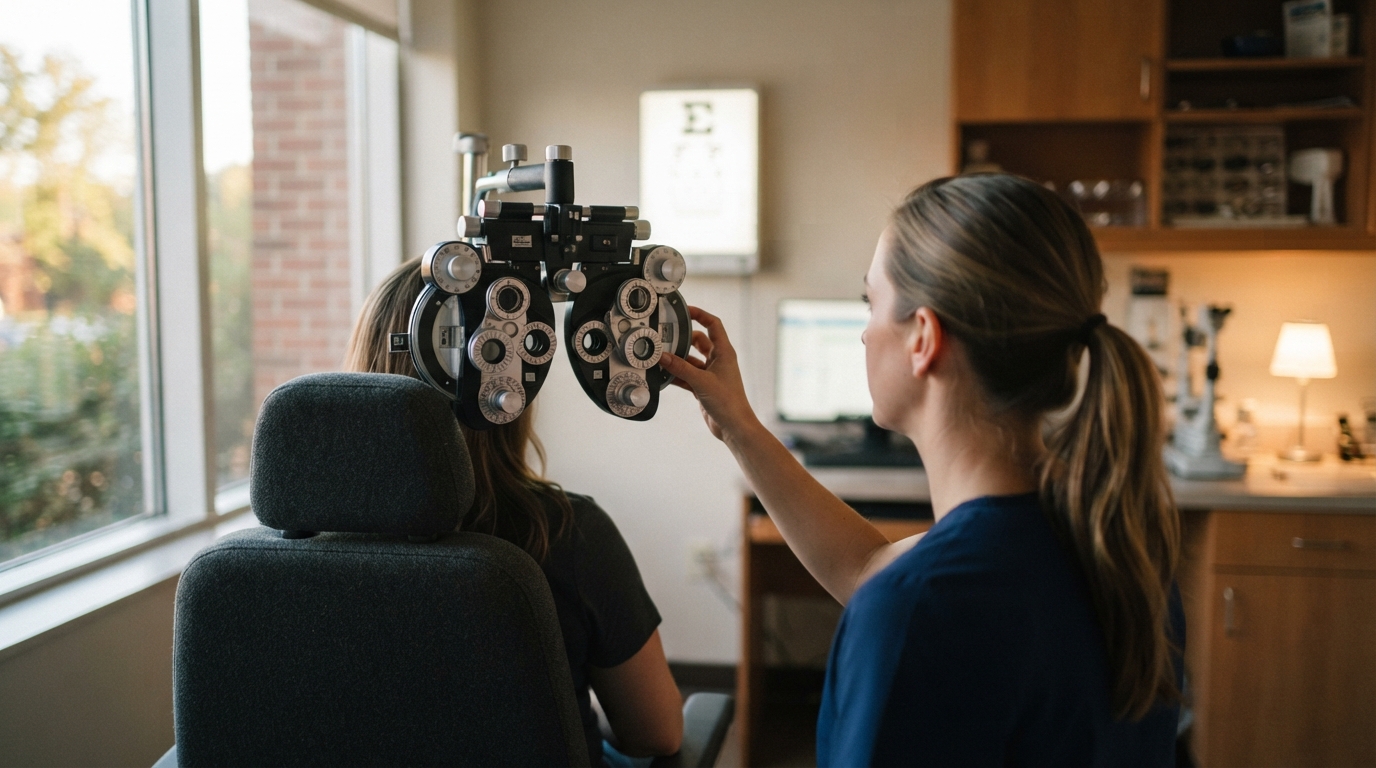
• Comprehensive eye exams, contact lens fittings, and eyewear selection are the core services patients can expect from an eye care provider in Kentucky.
• Kentucky families can find in-network vision benefits, pediatric exams, and management of conditions like dry eye and glaucoma at practices with multiple community locations.
• Choosing a provider with several offices across the state can shorten wait times and make follow-up visits easier to schedule.
Finding a dependable eye care provider Kentucky families can rely on year after year often comes down to three things: proximity, the breadth of services offered, and whether the practice treats patients as individuals rather than numbers. Vision needs shift over a lifetime, from a child’s first eye exam to age-related changes like presbyopia or cataracts, so continuity of care matters as much as convenience. An eye care provider Kentucky residents choose should offer routine exams alongside more specialized services, so switching providers is not necessary every time a new concern arises.
One practice serving that role statewide is VisionFirst, which has operated in the region since 1973 and now runs multiple offices across Kentucky and southern Indiana. According to the practice’s own site listings, locations span areas including Louisville, Fern Creek, Elizabethtown, Jeffersonville, and New Albany, giving patients options closer to home or work rather than a single central office.
What Services Define a Full-Service Eye Care Provider
A provider built for long-term vision health typically covers more than a basic vision screening. Based on verified service listings, the core offerings include:
• Comprehensive eye exams for patients of all ages, including pediatric exams
• Contact lens fittings and ongoing contact lens care
• Prescription eyeglasses, designer frames, and prescription sunglasses
• Management of dry eye and glaucoma
• Retinal imaging and other diagnostic testing
These categories reflect what practices in Kentucky list as standard care rather than add-on extras. Regular comprehensive exams remain the foundation of this list because they catch refractive errors and early signs of disease before symptoms become noticeable. The
American Academy of Ophthalmology outlines recommended exam frequency by age group, which helps explain why pediatric and adult exam schedules differ.
Why Multiple Locations Matter for Consistent Care
Having a provider with several offices in one state changes how patients experience follow-up care. Consider these practical benefits:
1. Shorter drive times for routine visits and urgent concerns like eye irritation or sudden vision changes
2. Easier scheduling around work or school hours across different office locations
3. Continuity of patient records when a family member needs to see a different office
For families juggling multiple schedules, a network of nearby offices reduces the friction that often causes people to delay checkups.
Comparing Common Eye Care Visit Types
|
Visit Type |
Typical Purpose |
Who It’s For |
|
Comprehensive eye exam |
Vision correction check, disease screening |
All ages, especially annual visits |
|
Contact lens fitting |
Measuring fit and comfort for lenses |
New or returning contact lens wearers |
|
Dry eye or glaucoma follow-up |
Managing an existing diagnosis |
Patients with chronic eye conditions |
|
Pediatric eye exam |
Early vision screening for children |
Infants through school-age kids |
This table is a general guide rather than a substitute for a provider’s specific recommendation, since exam frequency depends on age, family history, and existing conditions.
Choosing the Right Fit for Your Household
Selecting a provider works best when a household considers its own mix of needs rather than picking based on location alone. A few questions can narrow the search:
• Does the practice accept your vision insurance plan or offer VSP-style benefits
• Are pediatric exams available if you have young children
• Can the same office handle both routine exams and condition management like glaucoma monitoring
Practices that combine a wide service list with multiple offices tend to fit more household situations without requiring a referral elsewhere.
Frequently Asked Questions
What should I bring to a first eye exam appointment? Most practices ask for a photo ID, current insurance card, and a list of current medications or previous eyewear prescriptions if available.
How often should adults get a comprehensive eye exam? Recommended frequency varies by age and risk factors, and the American Academy of Ophthalmology publishes age-based guidelines that many providers follow.
Can one office handle both eyewear and medical eye care? Many full-service practices offer both eyeglass and contact lens fitting alongside medical services like dry eye or glaucoma management in the same visit.
Is pediatric eye care different from adult exams? Pediatric exams focus on early detection of vision problems that can affect learning and development, while adult exams increasingly screen for age-related conditions.
Kentucky families searching for consistent vision care benefit from providers that pair a full range of services with locations spread across the state. Practices like VisionFirst illustrate how a long-standing, employee-owned model can support routine exams, eyewear needs, and condition management under one roof, making it easier for households to stick with a single trusted provider over time.