
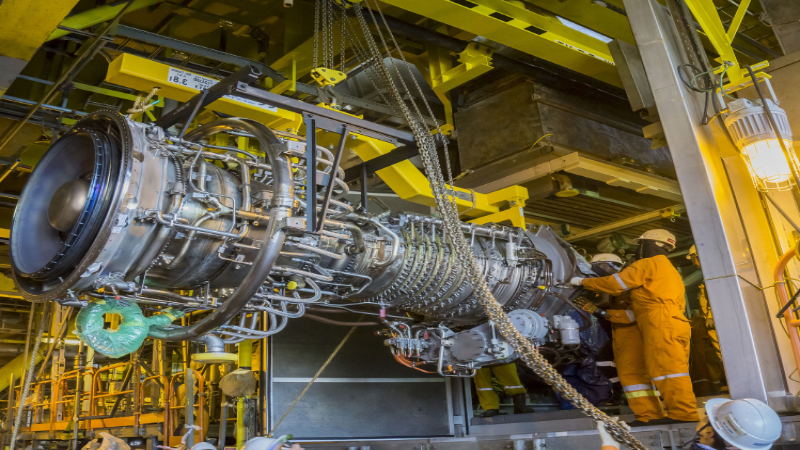
The USA aerospace industry is a cornerstone of technological innovation and economic strength, leading the world in commercial and military aviation. Behind every successful flight, there is rigorous engineering and testing to ensure maximum performance and safety. For those seeking information on advanced testing solutions, Jet Engine Test Cell Manufacturers play a crucial role in the development, validation, and maintenance of modern jet engines, supporting the ongoing growth of the nation’s aerospace sector.
The Vital Role of Jet Engine Test Cells
Jet engine test cells are highly specialized facilities designed to simulate real-world operating conditions for jet engines. These environments allow engineers to assess various performance metrics, including thrust, fuel efficiency, emissions, and reliability, without the risks and costs associated with in-flight testing.
Test cell manufacturers are responsible for the design, construction, and integration of these complex systems. Their expertise ensures that test cells are equipped with advanced instrumentation, robust safety mechanisms, and data acquisition technologies that meet the evolving demands of the aerospace industry. By providing state-of-the-art test infrastructure, these manufacturers enable aerospace companies to:
-
Validate new engine designs before they enter production.
-
Troubleshoot and maintain engines in service.
-
Ensure compliance with stringent regulatory standards.
Driving Innovation and Quality Assurance
As jet engines become more advanced, the need for precise and reliable testing grows. Innovative test cell manufacturers are at the forefront of this evolution, introducing automation, digital monitoring, and advanced analytics into their systems. This technological progress offers several benefits:
-
Enhanced Data Accuracy: Digital sensors and analytics allow for real-time monitoring of engine parameters, enabling engineers to identify and address issues promptly.
-
Increased Safety: Automated control systems and fail-safe mechanisms protect both personnel and valuable equipment during testing.
-
Cost-Effective Operations: Modern test cells streamline the testing process, reducing downtime and operational expenses for aerospace companies.
Through these advancements, test cell manufacturers help American aerospace firms maintain their competitive edge in a rapidly changing global market.
Supporting Regulatory Compliance and Sustainability
The aerospace industry operates under strict regulatory frameworks to ensure safety and environmental responsibility. Jet engine test cell manufacturers design their facilities to comply with domestic and international standards, providing the documentation and certification necessary for regulatory approval.
Additionally, there is a growing focus on sustainability within the sector. Test cells now incorporate features that minimize noise, reduce emissions, and optimize energy consumption. These sustainable practices not only help meet environmental goals but also position American aerospace companies as leaders in responsible innovation.
Fostering Workforce Development and Collaboration
Beyond technology, test cell manufacturers contribute to workforce training and industry collaboration. By offering training programs and technical support, they help engineers and technicians develop the skills required to operate and maintain cutting-edge test facilities. Collaborative efforts between manufacturers and aerospace organizations also drive research and development, accelerating the pace of innovation across the industry.
The continued success of the USA aerospace industry relies on robust testing infrastructure and advanced engineering solutions. By delivering high-performance, reliable test cells, manufacturers play a pivotal role in ensuring the safety, efficiency, and competitiveness of American aviation. Their ongoing commitment to innovation, quality assurance, and regulatory compliance helps propel the industry forward, supporting both current operations and future advancements in flight technology.