
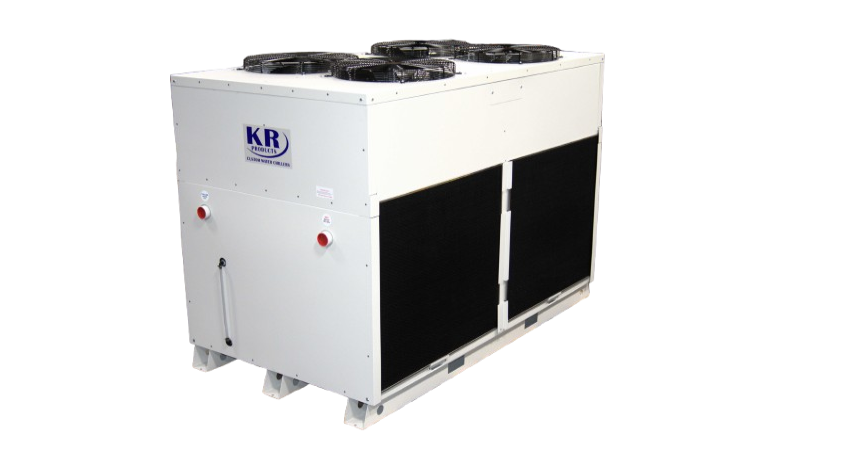
American factories face mounting pressure to increase productivity while minimizing operational costs and environmental impact. One of the most effective ways manufacturers achieve these goals is by optimizing their cooling processes. When searching for solutions to enhance plant efficiency, many facility managers look into an Industrial Chiller System to regulate temperature, reduce energy use, and maintain consistent production quality.
The Role of Chillers in Modern Manufacturing
Chillers are essential in various industrial sectors, from automotive plants to food processing facilities. Their primary function is to remove excess heat generated by machinery, processes, or environmental factors. By maintaining optimal temperatures, chillers help prevent equipment overheating, minimize downtime, and improve product consistency.
A well-designed chiller system operates by circulating a coolant or refrigerant through a closed loop, absorbing heat from machinery or process fluids and transferring it to the outside environment. This process not only safeguards sensitive equipment but also ensures that production lines run smoothly and efficiently.
Energy Efficiency Advantages of Industrial Chiller Systems
Implementing an advanced chiller system brings several energy-saving benefits to American factories:
-
Reduced Energy Consumption: Modern chillers use variable-speed compressors and advanced controls to match cooling output precisely to demand, avoiding unnecessary energy use.
-
Heat Recovery Opportunities: Some systems capture and reuse waste heat for space heating or preheating process fluids, further cutting energy costs.
-
Lower Maintenance Requirements: Efficient chillers operate under optimal conditions, reducing wear and tear on components and minimizing maintenance-related energy spikes.
-
Smart Controls and Monitoring: Integration with building automation systems allows for real-time monitoring, predictive maintenance, and remote adjustments, all of which contribute to energy optimization.
By focusing on these features, factories can significantly reduce their utility bills and overall carbon footprint.
Key Considerations for Maximizing Efficiency
To fully leverage the benefits of a chiller system, it’s crucial to consider several factors during selection and operation:
-
Proper Sizing: An oversized or undersized unit can lead to inefficiencies. Accurate assessment of cooling loads ensures the system operates at peak performance.
-
Regular Maintenance: Scheduled inspections and cleaning of heat exchangers, filters, and refrigerant lines keep the system running efficiently.
-
System Upgrades: Retrofitting older chillers with new technology, such as variable frequency drives or enhanced heat exchangers, can yield substantial energy savings.
-
Optimized Distribution: Efficient piping layouts and insulation prevent energy loss during coolant transport.
Implementing these strategies helps factories get the most value from their investment and extends the system’s operational lifespan.
The Bigger Picture: Sustainability and Productivity
Energy efficiency isn’t just about cutting costs—it’s also a vital component of environmental responsibility. Factories that invest in efficient cooling solutions demonstrate a commitment to sustainability, often meeting or exceeding regulatory standards for emissions and energy use. Additionally, precise temperature control translates to more consistent product quality, fewer production interruptions, and improved worker safety.
In summary, integrating a modern chiller system offers American factories a strategic advantage by delivering reliable cooling, lowering energy consumption, and supporting sustainability initiatives. As energy prices rise and environmental regulations tighten, investing in efficient cooling technologies becomes an indispensable part of future-proofing industrial operations.