
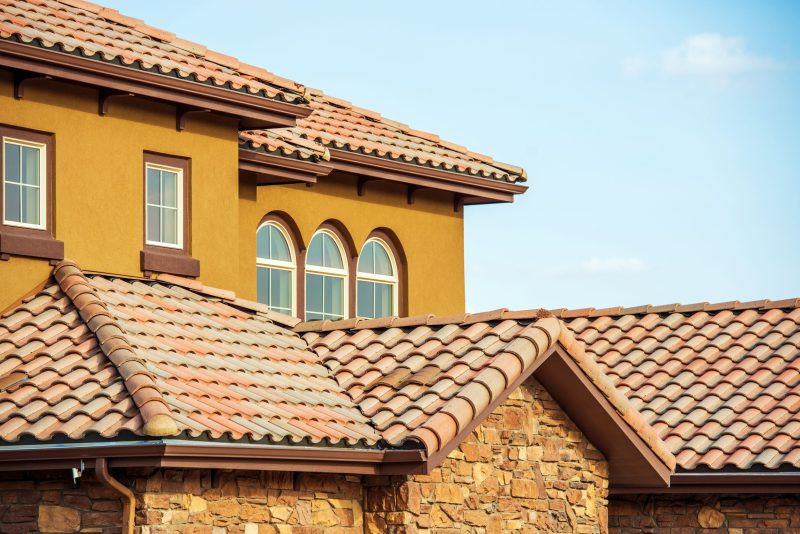
In Phoenix, AZ, residential roofs face a unique set of environmental stresses that can accelerate aging. Intense sun exposure, rapid temperature changes, and seasonal storms all contribute to gradual wear. Over time, even well-maintained residential roofing systems reach a point where repairs are no longer sufficient, and a new roof installation becomes the more practical option.
Many homeowners researching long-term roofing guidance turn to providers known for high-quality roof installation standards to better understand what aging signs to look for and how roof replacement decisions are typically evaluated in desert climates.
Why Roof Aging Happens Faster in Phoenix
Residential roofing systems in Phoenix endure prolonged ultraviolet exposure far beyond what many other regions experience. UV radiation breaks down roofing materials at a molecular level, leading to brittleness, surface cracking, and reduced protective performance.
In addition to heat, daily expansion and contraction stress fasteners, seams, and underlayment. Over time, this constant movement contributes to material fatigue. While regular maintenance helps slow deterioration, roof aging is ultimately unavoidable in this climate, making awareness of early indicators critical.
Visible Shingle Deterioration
One of the most recognizable signs of roof aging is visible damage to shingles or tiles. This may include curling, cracking, or surface granule loss. Granules play a key role in shielding roofing materials from UV damage, and when they begin to shed excessively, the roof’s protective layer weakens.
For residential roofing in Phoenix, this deterioration often appears earlier on sun-facing slopes. While isolated damage may be repairable, widespread deterioration often signals that a new roof installation should be considered.
Frequent or Repeating Repairs
Another indicator is the frequency of roof repairs. If homeowners find themselves scheduling repairs every year or after each monsoon season, it may indicate systemic aging rather than isolated damage.
When repair efforts become recurring rather than occasional, costs can accumulate without extending the roof’s overall lifespan. At this stage, residential roofing specialists often assess whether replacement provides better long-term value and stability compared to ongoing patchwork solutions.
Interior Warning Signs
Roof aging does not always announce itself from the outside. Interior signs such as ceiling discoloration, unexplained moisture, or persistent humidity changes may point to compromised roofing materials.
In Phoenix homes, small breaches can allow heat and moisture intrusion even without visible leaks. These subtle indicators suggest that the roofing system may no longer be performing as intended, prompting evaluation for new roof installation.
Energy Efficiency Changes
Residential roofing plays an important role in regulating indoor temperatures. As roofs age, insulation effectiveness may decline, leading to increased heat transfer into the home.
Homeowners may notice that cooling systems run longer or energy bills rise without changes in usage. While multiple factors influence energy efficiency, aging roofing materials often contribute. In these cases, roof replacement can help restore thermal performance, particularly when newer materials are integrated into the system.
Roof Age and Material Lifespan
Every roofing material has an expected service life, though Phoenix’s climate can shorten it. Asphalt-based products, tile systems, and underlayment layers all age differently under prolonged heat exposure.
Even if visible damage appears minimal, a roof approaching the upper end of its intended lifespan may warrant closer evaluation. Residential roofing assessments often combine material age with observed performance to determine whether replacement is advisable.
Preparing for a Roof Replacement Decision
Deciding on a new roof installation involves more than addressing visible issues. Homeowners benefit from understanding how aging indicators interact with structural integrity, insulation performance, and long-term protection.
While maintenance remains important throughout a roof’s life, recognizing when replacement becomes the more stable option helps homeowners avoid escalating issues. Those seeking educational insight into replacement considerations often consult regional providers experienced with desert conditions and high-quality roof installation practices.
Long-Term Benefits of Timely Replacement
Replacing a roof before failure occurs allows for better planning and scheduling. Homeowners can evaluate materials, coordinate timelines, and avoid emergency-driven decisions.
From a residential roofing perspective, timely replacement supports structural protection, energy efficiency, and predictable maintenance planning. In Phoenix, acting before extreme deterioration occurs can reduce disruption and help ensure continued home protection during peak heat seasons.
Understanding When Repairs Are No Longer Enough
Roof aging is a gradual process, but its impact becomes clearer when multiple indicators appear together. Visible wear, frequent repairs, interior changes, and rising energy demands often form a pattern signaling the end of a roof’s effective lifespan.
By paying attention to these signs, homeowners are better equipped to make informed decisions about new roof installation and long-term residential roofing care.